In the industrial world, a component is not born when it enters production. It is born much earlier. It comes to life in the phase where a technical idea meets the constraints of the process, the characteristics of alloys, mould geometries, dimensional tolerances, assembly requirements, customer specifications and the quality standards of the target sector. This is where industrial co-design becomes decisive.
For Friulpress, co-design means supporting the customer in the early stages of component development, drawing on expertise built over more than 50 years in aluminium die casting, precision machining and the management of an integrated supply chain that goes from design to the finished, inspected part.
This is not a marginal phase. It is the moment in which the industrial quality of the project is decided.
Before the mould, before production, before the cost
Every design choice has industrial consequences.
An overly complex geometry can generate criticalities in the mould. A non-uniform thickness can affect cavity filling, solidification and dimensional stability. Machining operations not properly anticipated can increase times, costs and the risk of non-conformities. A material chosen without considering the process can limit component performance.
Co-design exists precisely to prevent these problems from emerging when it is already too late.
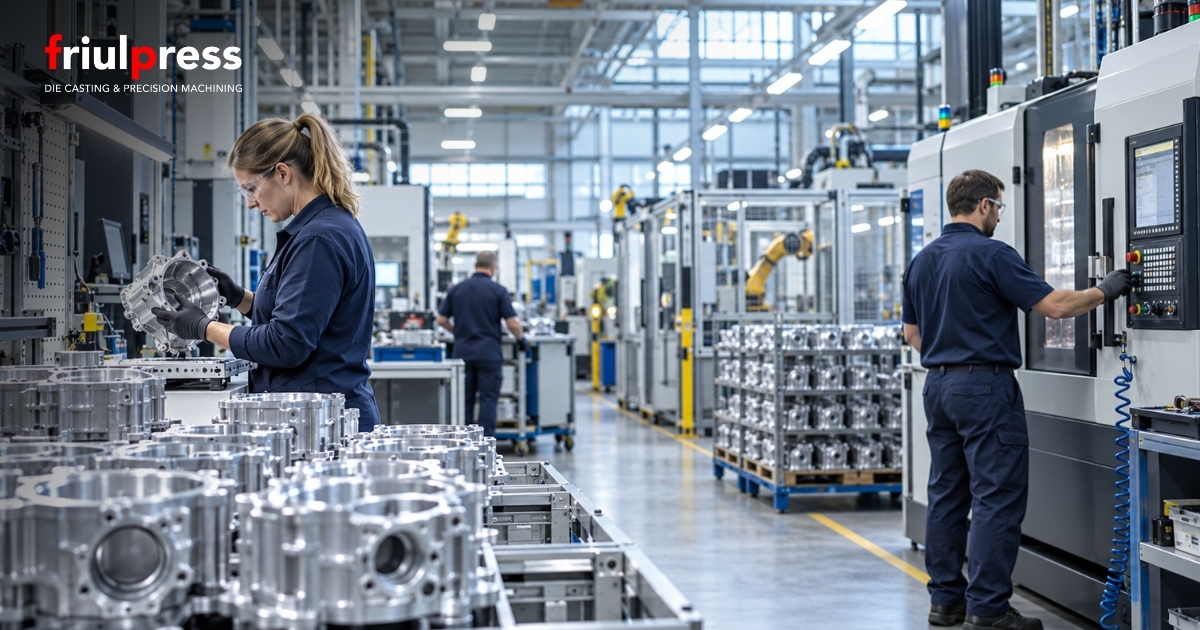
Involving Friulpress in the early stages of development means bringing real production expertise into the project: not just technical drawing, but knowledge of processes, moulds, aluminium alloys, HPDC die casting, CNC machining, quality control and series production.
The result is a more solid approach: the component is conceived from the start to be not only functional, but manufacturable, controllable and sustainable over time.
Co-design in aluminium die casting
In aluminium die casting, co-design has strategic value because component, mould and process are tightly interconnected.
A die-cast component cannot be designed without considering how the mould will be filled, how the alloy will behave during the cycle, which machining operations will be required, which surfaces will need to meet tighter tolerances and which inspections must be carried out to guarantee final conformity. For this reason, co-design does not concern only the shape of the part. It concerns the entire industrial path.
At Friulpress, the project is analysed in relation to:
- component geometry;
- selection of aluminium alloys;
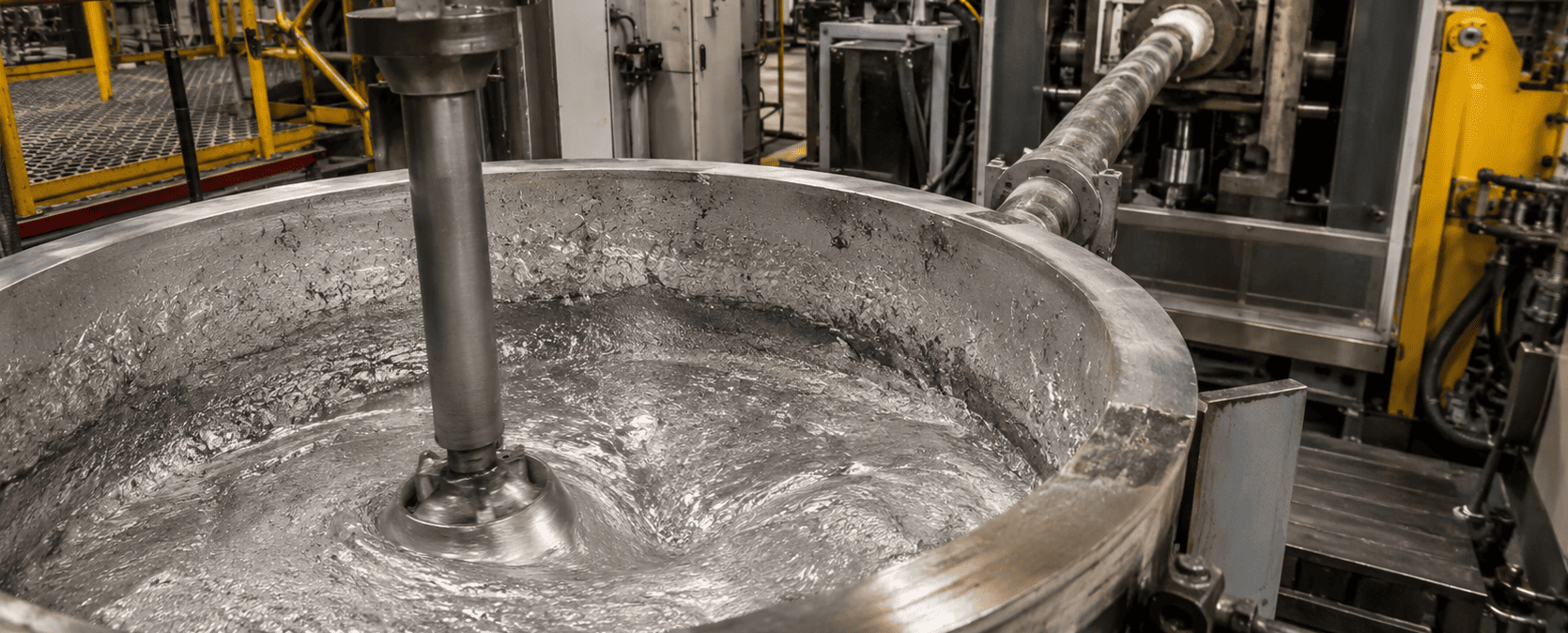
- feasibility in HPDC die casting;
- mould design and development;
- critical points of filling and solidification;
- subsequent CNC machining operations;
- dimensional tolerances;
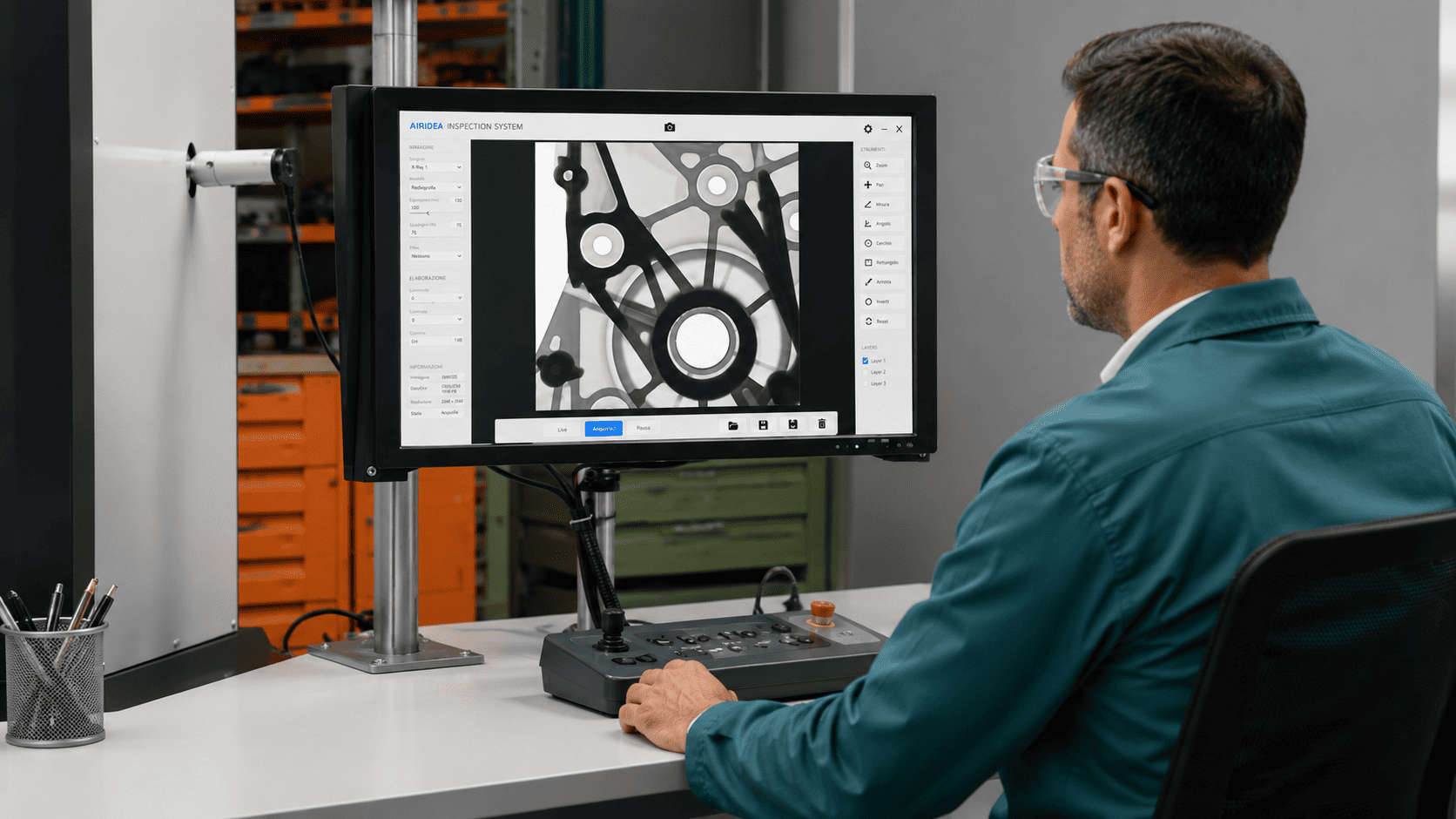
- quality control requirements;
- assembly and final application needs;
- series production.
This is the phase in which industrial experience becomes a competitive advantage.
Because correcting a project on paper is faster, more effective and less expensive than correcting it once the mould has been built or production has already started.
From idea to finished component: the value of the integrated supply chain
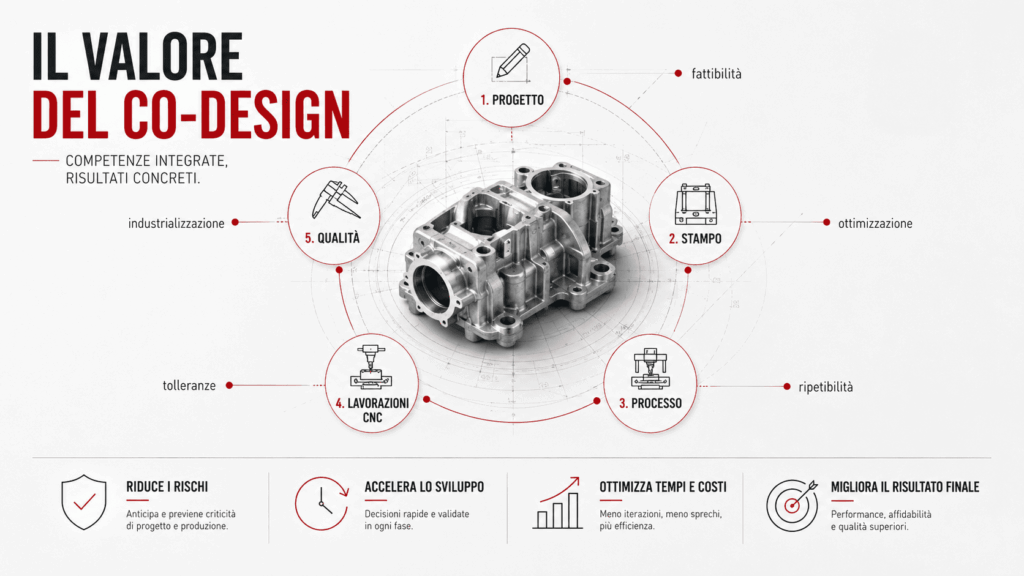
The real value of Friulpress co-design lies in its connection with the integrated supply chain.
Many companies can offer design support. The difference emerges when that support is directly connected to the departments that will turn the project into production: tool shop, die casting, machining, finishing and quality control.
At Friulpress, co-design does not stay confined to the engineering office. It is a method that dialogues with the entire production process. This makes it possible to evaluate the component from multiple perspectives: that of engineering, of the mould, of the die casting machine, of CNC machining, of dimensional inspection and of series production.
Each department brings decisive information. Each competence helps reduce uncertainty. Each choice is oriented towards a concrete goal: arriving at a reliable, repeatable aluminium component ready for the market.
Why co-design is decisive for automotive and industry
In the automotive sector, the margin for error is minimal.
OEMs and Tier 1 suppliers demand components compliant with rigorous standards, controlled processes, production continuity, traceability, respect for tolerances and the ability to manage series production.
In this context, co-design becomes an essential lever to anticipate critical issues, optimise the component and build, from the very beginning, a process consistent with the standards of the automotive supply chain. The same principle applies to general industry and to the most advanced industrial sectors. Robotics, defence, medical, aerospace and applications with high technical content require components that are increasingly lighter, more precise, more reliable and integrated into complex systems.
The market no longer asks only for suppliers capable of producing. It asks for partners capable of contributing to development.
This is where co-design changes the company’s role: from mere industrial executor to technical partner in the construction of the product.
Less complexity. More control. More value.
Co-design makes it possible to act where value is truly generated: in the initial decisions.
A component designed with attention to aluminium die casting can reduce unnecessary machining, improve process stability, optimise weight, increase production repeatability and make quality control more efficient.
This means turning complexity into control.
Design becomes more conscious. The mould is born with a more industrial logic. Die casting works on a more solid foundation. Machining intervenes where it really matters. Quality control verifies a process already designed to be stable.
The result is not just a better component. It is a stronger project.
Co-design and precision machining
In the production cycle of a die-cast component, precision machining often plays a decisive role. Holes, functional surfaces, seats, couplings, tolerances and finishes must be anticipated already during development. A component designed without considering subsequent CNC machining can generate inefficiencies, scrap or additional costs.
Co-design, on the other hand, allows the component to be designed keeping die casting and machining together.
Not two separate phases, but a single industrial process.
This approach makes it possible to evaluate in advance machining allowances, fixturing references, tool accessibility, operating sequences and dimensional inspections. Each choice is integrated into the production path before it becomes a constraint. This is how precision is not “added” at the end. It is designed from the start.
From co-engineering to series production
Co-design is also co-engineering.
It means bringing together different competences around the same project: customer, engineering office, tool shop, production, machining and quality. The goal is to turn a technical request into a robust industrial component. For Friulpress, this path accompanies the customer from the first analysis to series production.
It starts with the evaluation of technical feasibility. Geometries, materials, performance and application constraints are analysed. Potential critical issues are identified. The component is optimised for die casting. The mould is considered. Machining operations are planned. Inspections are defined.
Each step reduces industrial risk.
Each anticipated decision prevents subsequent problems.
Each competence involved makes the project more reliable.
The distinctive value for Friulpress
Co-design is a strong promise only when it is backed by a real industrial structure.
Friulpress can deliver on this service because it combines historical experience, technical expertise, in-house tool shop, HPDC die casting, CNC machining, quality control and knowledge of automotive requirements.
This integration makes it possible to offer the customer concrete support: not abstract consulting, but a technical contribution grounded in production. The component is analysed through the eyes of those who will manufacture, inspect and deliver it. This is the difference.
Friulpress co-design does not simply improve a drawing.
It brings the project into industrial reality.
Designing better means producing better
In today’s industrial market, speed, precision and reliability cannot be improvised. They must be designed.
Co-design makes it possible to build components more consistent with the process, more suited to series production and closer to the customer’s technical objectives. For this reason, it represents one of the most important competences for those who work in aluminium die casting and precision machining. For Friulpress, it is the meeting point between experience and the future.
Where the customer brings the idea. And industry gives it shape.